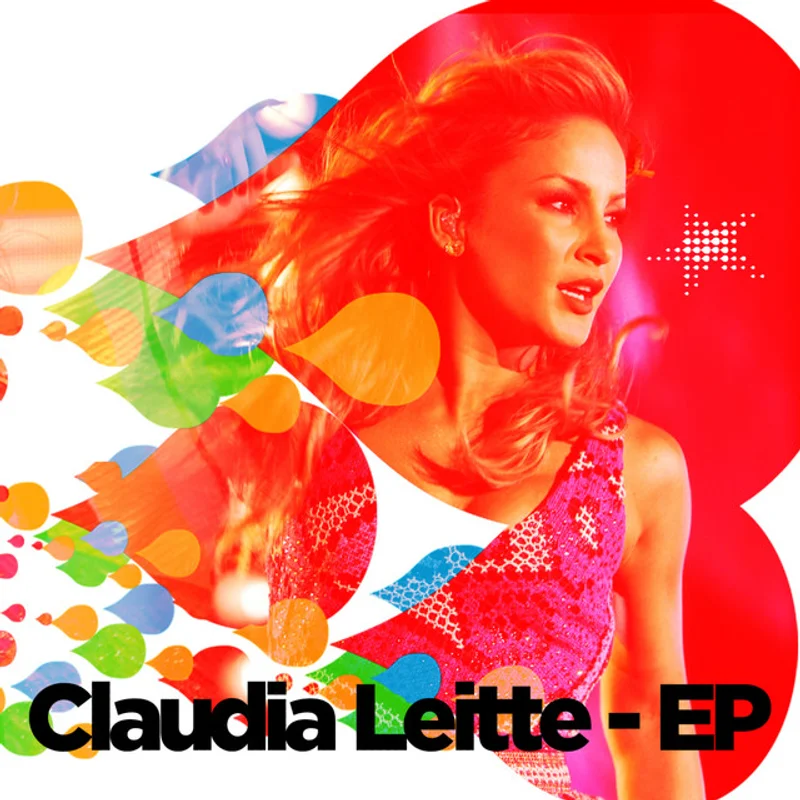
Largadinho
Claudia Leitte
Claudia Leitte - Ep
Bahia's breeze meets the dancefloor in a song that taught a nation to move "largadinho."
Eu já falei pra você deixar de maresia
Eu quero ver você na coreografia
Eu já falei pra você deixar de maresia
Eu quero ver você na coreografia
Mas se você quiser pode dançar largadinho
(Largadinho, largadinho)
Vai no balanço do vento dançando gostosinho
(Largadinho, largadinho)
Mas se você quiser pode dançar largadinho
(Largadinho, largadinho)
Vai no balanço do vento dançando gostosinho
(Largadinho, largadinho)
Até o chão, vai.
Em baixo, em baixo, em baixo, em baixo, em baixo
Se prepare pra subir
Em cima, em cima, em cima, em cima, em cima
Balança dai que eu balanço daqui!
A dança é essa, a dança é boa
Entre na onda, não fique à toa
Rádio de pilha lá na Gamboa
Tá tocando esse sucesso
Se espalhou na cidade
E a galera todinha já sabe dançar o largadinho!
Mas se você quiser pode dançar largadinho (largadinho)
Vai no balanço do vento dançando gostosinho
(Venha venha venha vem dançar o largadinho)
Se você quiser pode dançar largadinho (largadinho)
Vai no balanço do vento dançando bonitinho
(Venha venha venha vem dançar o largadinho)
Venha, venha, venha vem dançar o largadinho.
Let your body loose, let your body loose.
Venha, venha, venha vem dançar o largadinho.
Eu já falei pra você deixar de maresia
Eu quero ver você na coreografia
Eu já falei pra você deixar de maresia
Eu quero ver você na coreografia
Mas se você quiser pode dançar largadinho
(Largadinho, largadinho)
Vai no balanço do vento dançando gostosinho
(Largadinho, largadinho)
Mas se você quiser pode dançar largadinho
(Largadinho, largadinho)
Vai no balanço do vento dançando bonitinho
(Largadinho, largadinho)
Até o chão, vai, vai.
Em baixo, em baixo, em baixo, em baixo, em baixo
Se prepare pra subir
Em cima, em cima, em cima, em cima, em cima
Balança dai que eu balanço daqui!
A dança é essa, a dança é boa
Entre na onda, não fique à toa
Rádio de pilha lá na Gamboa
Tá tocando esse sucesso
Se espalhou na cidade
E a galera todinha já sabe dançar o largadinho!
Mas se você quiser pode dançar largadinho
(Largadinho, largadinho)
Vai no balanço do vento dançando gostosinho
(Largadinho, largadinho)
Mas se você quiser pode dançar largadinho
(Largadinho, largadinho)
Vai no balanço do vento dançando bonitinho
(Largadinho, largadinho)
Mas se você quiser pode dançar, venha dançar, venha dançar o largadinho.
Venha, venha, venha dançar o largadinho.
Eu já falei pra você deixar de maresia
Eu quero ver você na coreografia
Eu já falei pra você deixar de maresia
Eu quero ver você na coreografia
Mas se você quiser pode dançar largadinho
(Largadinho, largadinho)
Vai no balanço do vento dançando gostosinho
(Largadinho, largadinho)
Mas se você quiser pode dançar largadinho
(Largadinho, largadinho)
Vai no balanço do vento dançando gostosinho
(Largadinho, largadinho)
Até o chão, vai.
Em baixo, em baixo, em baixo, em baixo, em baixo
Se prepare pra subir
Em cima, em cima, em cima, em cima, em cima
Balança dai que eu balanço daqui!
A dança é essa, a dança é boa
Entre na onda, não fique à toa
Rádio de pilha lá na Gamboa
Tá tocando esse sucesso
Se espalhou na cidade
E a galera todinha já sabe dançar o largadinho!
Mas se você quiser pode dançar largadinho (largadinho)
Vai no balanço do vento dançando gostosinho
(Venha venha venha vem dançar o largadinho)
Se você quiser pode dançar largadinho (largadinho)
Vai no balanço do vento dançando bonitinho
(Venha venha venha vem dançar o largadinho)
Venha, venha, venha vem dançar o largadinho.
Let your body loose, let your body loose.
Venha, venha, venha vem dançar o largadinho.
Eu já falei pra você deixar de maresia
Eu quero ver você na coreografia
Eu já falei pra você deixar de maresia
Eu quero ver você na coreografia
Mas se você quiser pode dançar largadinho
(Largadinho, largadinho)
Vai no balanço do vento dançando gostosinho
(Largadinho, largadinho)
Mas se você quiser pode dançar largadinho
(Largadinho, largadinho)
Vai no balanço do vento dançando bonitinho
(Largadinho, largadinho)
Até o chão, vai, vai.
Em baixo, em baixo, em baixo, em baixo, em baixo
Se prepare pra subir
Em cima, em cima, em cima, em cima, em cima
Balança dai que eu balanço daqui!
A dança é essa, a dança é boa
Entre na onda, não fique à toa
Rádio de pilha lá na Gamboa
Tá tocando esse sucesso
Se espalhou na cidade
E a galera todinha já sabe dançar o largadinho!
Mas se você quiser pode dançar largadinho
(Largadinho, largadinho)
Vai no balanço do vento dançando gostosinho
(Largadinho, largadinho)
Mas se você quiser pode dançar largadinho
(Largadinho, largadinho)
Vai no balanço do vento dançando bonitinho
(Largadinho, largadinho)
Mas se você quiser pode dançar, venha dançar, venha dançar o largadinho.
Venha, venha, venha dançar o largadinho.
“Bahia's breeze meets the dancefloor in a song that taught a nation to move "largadinho."”
By the time Claudia Leitte stepped into the studio to record "Largadinho," she had already cemented herself as one of Brazil's most magnetic performers — a force of nature forged in the electric Carnival circuits of Salvador, Bahia.
But this track, which would become one of her signature anthems, was born from something deceptively simple: the desire to bottle the feeling of dancing freely in the open air, unencumbered by choreography or expectation.
The word "largadinho" — a distinctly Bahian diminutive suggesting something loose, unhurried, gently swaying — became the conceptual seed around which the entire production blossomed.
Leitte, who had transitioned from her years fronting Babado Novo into a solo career that demanded constant reinvention, saw in this concept the perfect bridge between her axé roots and the pop-global ambitions she was cultivating.
Musically, "Largadinho" is a masterclass in controlled effervescence.
Sitting at a deliberate 120 BPM — the universal heartbeat of dancefloor pop — the track is built on a foundation that marries the percussive vocabulary of axé music with the streamlined architecture of international pop production.
The key of C major lends the song an open, sunlit quality, a harmonic canvas devoid of shadows.
What's striking is the track's restraint: the energy and valence both hover at a measured midpoint, never tipping into euphoric overload.
This is by design.
The production breathes, leaving pockets of space between the syncopated percussion hits and the buoyant melodic hooks, mimicking the very "balanço do vento" — the sway of the wind — that the lyrics invoke.
There's a deliberate tension between the invitation to go "até o chão" (down to the floor) and the airy, almost breezy sonic palette that keeps everything floating just above gravity.
Lyrically, "Largadinho" operates as both instruction manual and manifesto.
Claudia opens with a playful admonishment — "Eu já falei pra você deixar de maresia" (I already told you to stop being difficult) — before laying out her thesis: forget the rigid choreography, just let your body do what it wants.
The repeated call-and-response structure, with the backing vocals echoing "largadinho, largadinho," transforms the song into a communal ritual, a call to collective looseness.
The spatial directions — "em baixo" (down), "em cima" (up), "balança daí que eu balanço daqui" (you sway there and I'll sway here) — create a kinetic map of the dancefloor, turning listeners into participants.
And then there's the bridge to English — "let your body loose" — a deliberate gesture toward the international audience Leitte was courting, a bilingual handshake across the Atlantic.
The cultural context of "Largadinho" is inseparable from the geography it celebrates.
The mention of Gamboa — a historic neighborhood in Salvador's Cidade Baixa, steeped in Afro-Brazilian cultural heritage — grounds the song in a specific place even as its sound reaches for universality.
The image of a "rádio de pilha" (battery-powered radio) broadcasting the hit through the streets is both nostalgic and prophetic: this is how music has always traveled in Bahia, from transistor radios on storefronts to the trio elétricos that thunder through Carnival.
The song became a massive hit across Brazil, dominating radio playlists and becoming an inescapable presence during the summer season.
It reinforced Claudia Leitte's position as the reigning queen of axé-pop and proved that the genre could evolve without abandoning its roots — that a Bahian rhythm could sit comfortably alongside the polished sheen of global pop production.
The reception was thunderous.
"Largadinho" became one of those rare Brazilian pop songs that transcended regional identity to become a national phenomenon, its choreography replicated in living rooms, gyms, and blocos de Carnival from Belém to Porto Alegre.
It arrived at a moment when Brazilian pop was increasingly engaging with international markets — Leitte herself would go on to perform at the 2014 FIFA World Cup opening ceremony — and the song served as a calling card, proof that Brazilian rhythm could be both deeply local and irresistibly global.
Critics praised its infectious simplicity, noting that its power lay not in complexity but in the precision of its groove and the irresistible warmth of Leitte's vocal delivery.
Decades into the story of axé music, "Largadinho" endures as one of the genre's most perfectly realized pop moments.
It sits in Claudia Leitte's catalog as a pivot point — the track that most clearly articulated her vision of a modern, outward-facing Bahian pop music that never forgot the sweat and joy of the streets where it was born.
In the broader arc of Brazilian popular music, it stands as evidence that the simplest invitation — come, dance, let go — remains the most powerful.
Every time a battery-powered radio crackles to life on a Bahian afternoon, every time a crowd sways in unison under the open sky, the spirit of "Largadinho" is alive, loose, unhurried, and free.