Lodi
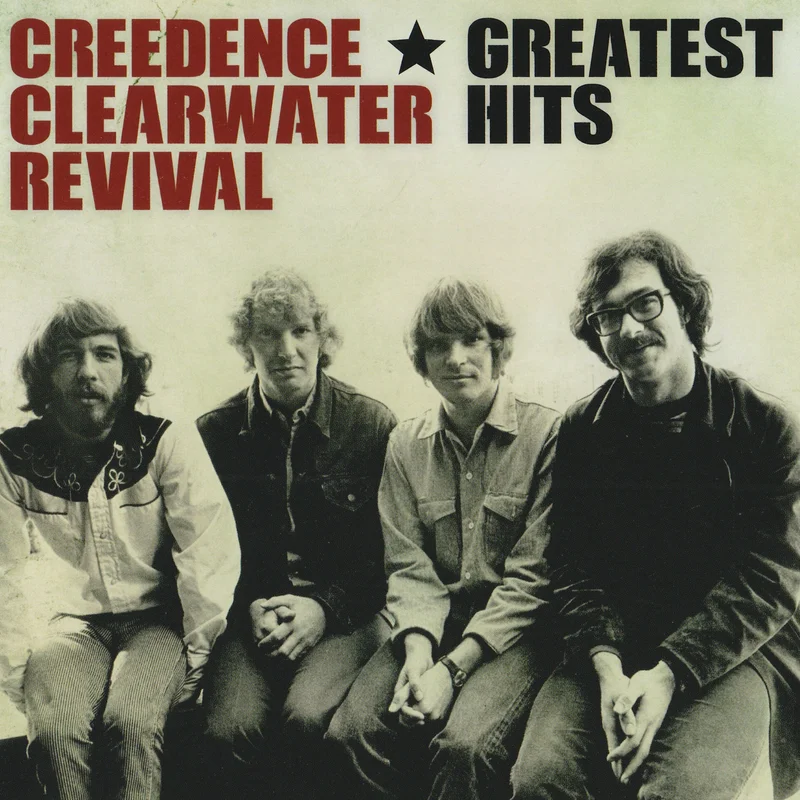
Creedence Clearwater Revival
Green River (Expanded Edition)
A troubadour's lament from a town John Fogerty never even visited.
Just about a year ago
I set out on the road
Seekin' my fame and fortune
Lookin' for a pot of gold
Things got bad and things got worse
I guess you will know the tune
Oh Lord, stuck in on Lodi up again
I rode in on a Greyhound
I'll be walkin' out if I go
I was just passin' through
Must be seven months or more
Ran out of time and money
Looks like they took my friends
Oh, Lord, stuck in on Lodi up again
The man from the magazine
Said I was on my way
Somewhere I lost connection
Ran out of songs to play
I came into town on a one-night stand
Looks like my plans fell through
Oh, Lord, stuck in Lodi again
If I only had a dollar
For every song I've sung
And every time I've had to play
While people sat there drunk
You know I'd catch the next train
Back to where I live
Oh, Lord, stuck in on Lodi up again
Oh, Lord, Stuck in on Lodi up again
Just about a year ago
I set out on the road
Seekin' my fame and fortune
Lookin' for a pot of gold
Things got bad and things got worse
I guess you will know the tune
Oh Lord, stuck in on Lodi up again
I rode in on a Greyhound
I'll be walkin' out if I go
I was just passin' through
Must be seven months or more
Ran out of time and money
Looks like they took my friends
Oh, Lord, stuck in on Lodi up again
The man from the magazine
Said I was on my way
Somewhere I lost connection
Ran out of songs to play
I came into town on a one-night stand
Looks like my plans fell through
Oh, Lord, stuck in Lodi again
If I only had a dollar
For every song I've sung
And every time I've had to play
While people sat there drunk
You know I'd catch the next train
Back to where I live
Oh, Lord, stuck in on Lodi up again
Oh, Lord, Stuck in on Lodi up again
“A troubadour's lament from a town John Fogerty never even visited.”
In the spring of 1969, John Fogerty sat in an apartment in El Cerrito, California, and conjured a place he had never been.
Lodi — a small agricultural town in California's Central Valley, known more for its vineyards and truck stops than its nightlife — became the perfect metaphor for creative stagnation, for the musician trapped on the circuit of diminishing returns.
Fogerty, who was then riding an extraordinary wave of success with Creedence Clearwater Revival, wrote the song not from personal despair but from empathic imagination: he channeled the experience of every bar-band musician who ever played to an indifferent crowd, nursing the sinking feeling that the dream had quietly died somewhere between the Greyhound station and the last call.
The track was recorded at Wally Heider Studios in San Francisco, the same sessions that produced the landmark "Green River" album, with Fogerty producing under his characteristic tight-fisted control.
Musically, "Lodi" is a masterclass in restraint dressed up as simplicity.
The song opens with a brisk acoustic strum in A minor — though the energy level and 124 BPM tempo give it a deceptive buoyancy that belies the lyrical resignation.
Tom Fogerty's rhythm guitar locks in with Stu Cook's bass in a clean, almost country-rock pocket, while Doug Clifford's drumming is economical and propulsive, never overplaying.
John Fogerty's lead guitar lines are spare and stinging, little bursts of electric color that punctuate the verses like road signs flashing past a bus window.
The production is dry and upfront, with almost no reverb — a deliberate choice that places the listener right inside the cramped honky-tonk the narrator can't escape.
There's a Bakersfield twang running through the arrangement, a nod to Buck Owens and Merle Haggard that roots the song in the working-class California that Fogerty mythologized throughout his career.
The lyrics of "Lodi" trace a devastating emotional arc in miniature.
The narrator arrives a year ago "seekin' my fame and fortune, lookin' for a pot of gold" — the language deliberately echoing Gold Rush mythology, placing the failed musician in a long American tradition of westward dreamers who found dust instead of gold.
Each verse tightens the noose: the Greyhound that brought him in won't take him out because he can't afford the fare; the magazine writer who once promised him he was "on my way" has vanished; the songs have dried up; the audiences are drunk and indifferent.
The repeated refrain — "Oh Lord, stuck in Lodi again" — lands each time with increasing weight, transforming from mild complaint to existential prayer.
Fogerty's genius is in the specificity: the one-night stand that became seven months, the dollar-per-song arithmetic of poverty.
It is a song about being trapped not by chains but by the slow erosion of options.
Released as the B-side to "Bad Moon Rising" in April 1969, "Lodi" quickly proved itself no mere afterthought.
Radio programmers flipped the single and gave it heavy airplay, and the track climbed to number 52 on the Billboard Hot 100 in its own right — a remarkable achievement for a B-side.
Critics recognized it immediately as one of Fogerty's finest character studies, a Steinbeckian short story compressed into three minutes.
The song arrived at a moment when the counterculture was celebrating its utopian peak, yet Fogerty — ever the contrarian populist — was writing about failure, about the America that the Summer of Love forgot.
In doing so, he gave voice to a vast, silent constituency of musicians and dreamers who recognized their own reflection in every line.
The legacy of "Lodi" extends far beyond its chart position.
It has become one of the most covered songs in the CCR catalog, interpreted by artists ranging from Hank Williams Jr.
to the Grateful Dead's Bob Weir, each finding new resonance in its universal theme of entrapment.
The town of Lodi itself eventually embraced its unlikely anthem, even erecting a sign that reads "Lodi — you won't get stuck here." The song has appeared in films, television shows, and has become a staple of classic rock radio, its meaning deepening with each passing decade as the music industry it quietly critiques has only grown more merciless.
For Fogerty, who would later endure his own legendary legal and creative entrapments, "Lodi" proved eerily prophetic.
It remains one of rock and roll's most perfect short stories — a song about going nowhere that has traveled everywhere, a lament so finely crafted it transcends its own sadness and becomes, paradoxically, a kind of comfort.
To hear it is to know you are not alone in being stuck.