ElPreso
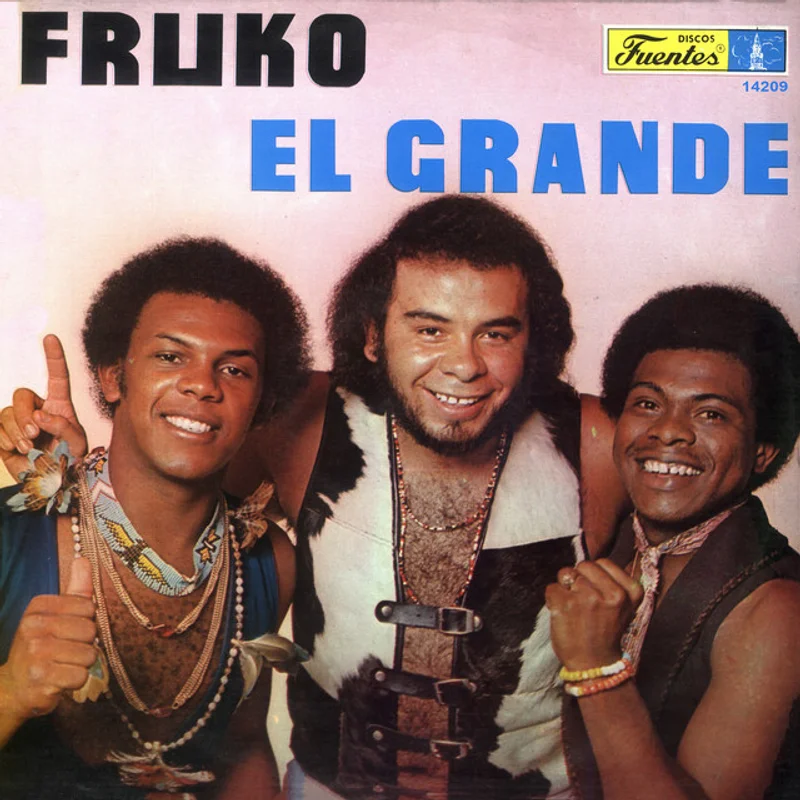
Fruko Y Sus Tesos, Wilson "Saoko" Manyoma
Fruko el Grande
A salsa anthem born behind bars that danced its way to continental liberation.
¡Oye!
Te hablo desde la prisión
Wilson Manyoma
Gorgona
¡Hevaiá!
¡Y dice!
En el mundo en que yo vivo
Siempre hay cuatro esquinas
Pero entre esquina y esquina
Siempre habrá lo mismo
Para mí no existe el cielo
Ni luna, ni estrellas
Para mí no alumbra el sol
Pa mí todo es tiniebla
Ay, ay, ay
Qué negro es mi destino
Ay, ay, ay
Todos de mí se alejan
Ay, ay, ay
Perdí toda esperanza
Ay, a Dios
Sólo llegan mis quejas
Te hablo desde aquí
Kike Bonfante
¡Hevaiá!
Condenado para siempre
En esta horrible celda
Donde no llega el cariño
Ni la voz de nadie
Aquí me paso los días
Y la noche entera
Sólo vivo del recuerdo
Eterno de mi madre
Ay, ay, ay
Sólo espero que llegue
Ay, ay, ay
El día que la muerte
Ay, ay, ay
Me lleve a estar con ella
Ay, al fin
Ah, cambiará a mi suerte
Vuelve el lamento
Los de Villanueva
¿Cómo?
Y vuelve otra vez
Ay, qué solo estoy
Sólo me espera la muerte
Ay, qué solo estoy
¿Cuándo cambiará mi suerte?
Oh, qué triste soledad
Vivir en esta condena
Ya no quiero sufrir más
Te lo digo Magdalena
¡Eh-eh, eh-eh, ah!
Ay, qué solo estoy
Sólo me espera la muerte
Ay, qué solo estoy
¿Cuándo cambiará mi suerte?
Compañeros de prisión
Gente de toda la clase
Que no tiene corazón
Y no se sabe lo que hace
Solo, con mi pena
Solo, en mi condena
Solo, con mi pena
Solo, en mi condena
¡Oye Fruko!
Solo voy con mi pena
En esta celda
Treinta años de condena
¡Ay!
¡Oye!
Te hablo desde la prisión
Wilson Manyoma
Gorgona
¡Hevaiá!
¡Y dice!
En el mundo en que yo vivo
Siempre hay cuatro esquinas
Pero entre esquina y esquina
Siempre habrá lo mismo
Para mí no existe el cielo
Ni luna, ni estrellas
Para mí no alumbra el sol
Pa mí todo es tiniebla
Ay, ay, ay
Qué negro es mi destino
Ay, ay, ay
Todos de mí se alejan
Ay, ay, ay
Perdí toda esperanza
Ay, a Dios
Sólo llegan mis quejas
Te hablo desde aquí
Kike Bonfante
¡Hevaiá!
Condenado para siempre
En esta horrible celda
Donde no llega el cariño
Ni la voz de nadie
Aquí me paso los días
Y la noche entera
Sólo vivo del recuerdo
Eterno de mi madre
Ay, ay, ay
Sólo espero que llegue
Ay, ay, ay
El día que la muerte
Ay, ay, ay
Me lleve a estar con ella
Ay, al fin
Ah, cambiará a mi suerte
Vuelve el lamento
Los de Villanueva
¿Cómo?
Y vuelve otra vez
Ay, qué solo estoy
Sólo me espera la muerte
Ay, qué solo estoy
¿Cuándo cambiará mi suerte?
Oh, qué triste soledad
Vivir en esta condena
Ya no quiero sufrir más
Te lo digo Magdalena
¡Eh-eh, eh-eh, ah!
Ay, qué solo estoy
Sólo me espera la muerte
Ay, qué solo estoy
¿Cuándo cambiará mi suerte?
Compañeros de prisión
Gente de toda la clase
Que no tiene corazón
Y no se sabe lo que hace
Solo, con mi pena
Solo, en mi condena
Solo, con mi pena
Solo, en mi condena
¡Oye Fruko!
Solo voy con mi pena
En esta celda
Treinta años de condena
¡Ay!
“A salsa anthem born behind bars that danced its way to continental liberation.”
In the sweltering heat of Medellín, Colombia, sometime in the mid-1970s, a musical alchemist named Julio Ernesto Estrada Rincón — known to the world simply as Fruko — was assembling one of the most formidable salsa ensembles Latin America had ever witnessed.
Fruko y Sus Tesos (roughly, "Fruko and His Treasures") had already established themselves as the vanguard of Colombian salsa, channeling the raw energy of New York's Fania All-Stars through the unmistakable rhythmic DNA of the Colombian Caribbean coast.
When vocalist Wilson "Saoko" Manyoma stepped to the microphone to record "El Preso" ("The Prisoner"), he brought with him a voice scorched by lived experience and a delivery so emotionally devastating that it would transcend language, borders, and decades.
The track opens with a declaration of percussion — timbales cracking like a judge's gavel, congas rolling with the urgency of a heartbeat under duress, and a bass line that prowls beneath the arrangement like a caged animal pacing its cell.
Recorded at Discos Fuentes' legendary studios in Medellín, the production bears all the hallmarks of the label's golden-era sound: a brass section that punches through the mix with almost violent precision, piano montunos that cascade in relentless cyclical patterns, and a rhythmic foundation so locked-in that it feels less like music and more like a force of nature.
At 120 BPM and rooted in the bright, open tonality of G major, "El Preso" achieves something paradoxical — it is simultaneously jubilant and anguished, a celebration wrapped around a lament.
The energy sits at a sweet spot that invites both contemplation and movement, while the major key lends the arrangement an almost defiant optimism.
Though the version presented here foregrounds the instrumental power of the ensemble, the song's lyrical narrative — when sung — tells the story of a man imprisoned, crying out from behind bars about the injustice of his confinement and the agony of separation from those he loves.
"Saoko" Manyoma's vocal delivery transforms these themes into something universal: the prisoner becomes every person trapped by circumstance, poverty, systemic injustice, or heartbreak.
The metaphor of the prison resonated deeply across Latin America in an era when political repression, economic inequality, and social upheaval defined daily life for millions.
Even in its instrumental passages, the emotional arc is unmistakable — the horns wail with the desperation of a man pleading his case, while the rhythm section offers the only freedom available: the freedom of movement, of dance, of communal catharsis.
Upon its release, "El Preso" detonated across the Latin American musical landscape like a depth charge.
It became one of the defining salsa tracks of the 1970s, not just in Colombia but throughout Venezuela, Peru, Ecuador, Panama, and the Caribbean diaspora communities of New York and Miami.
The song helped cement Discos Fuentes' reputation as the Motown of tropical music and elevated Fruko y Sus Tesos from regional stars to continental icons.
Critics hailed the track as a masterpiece of arrangement and emotional storytelling, and it became a mandatory inclusion in any self-respecting sonidero's playlist.
In the decades that followed, "El Preso" would be cited by everyone from salsa romantica artists to reggaeton producers as a foundational influence, a song that proved Colombian salsa could stand shoulder to shoulder with — and even surpass — its New York and Puerto Rican counterparts.
More than four decades after its creation, "El Preso" remains one of the most recognizable and beloved salsa recordings ever made.
It is the song that launches a thousand dance floors into ecstatic motion the moment its opening bars ring out.
It has been sampled, covered, remixed, and reinterpreted by artists across genres, yet no version has ever quite captured the raw, almost feral energy of the original.
For Fruko, it stands as perhaps the crowning achievement of a career defined by relentless innovation and prolific output.
For Wilson "Saoko" Manyoma, it is a vocal performance preserved in amber — proof that a human voice, pushed to its emotional limits over a bed of fearless percussion and blazing brass, can communicate something that transcends the boundaries of language itself.
In the broader history of Latin music, "El Preso" occupies a singular position: it is the bridge between the New York salsa dura movement and the distinctly Colombian sound that would go on to influence cumbia, vallenato-salsa fusions, and the global tropical bass movement of the 21st century.
To hear it now, on vinyl, with the warmth and presence that only analog reproduction can provide, is to be transported not just to a specific time and place, but to a universal emotional space — one where sorrow and joy are not opposites but dance partners, locked together in an embrace that refuses to let go.