LoGrandeQueEsPerdonar
Vico C, Gilberto Santa Rosa
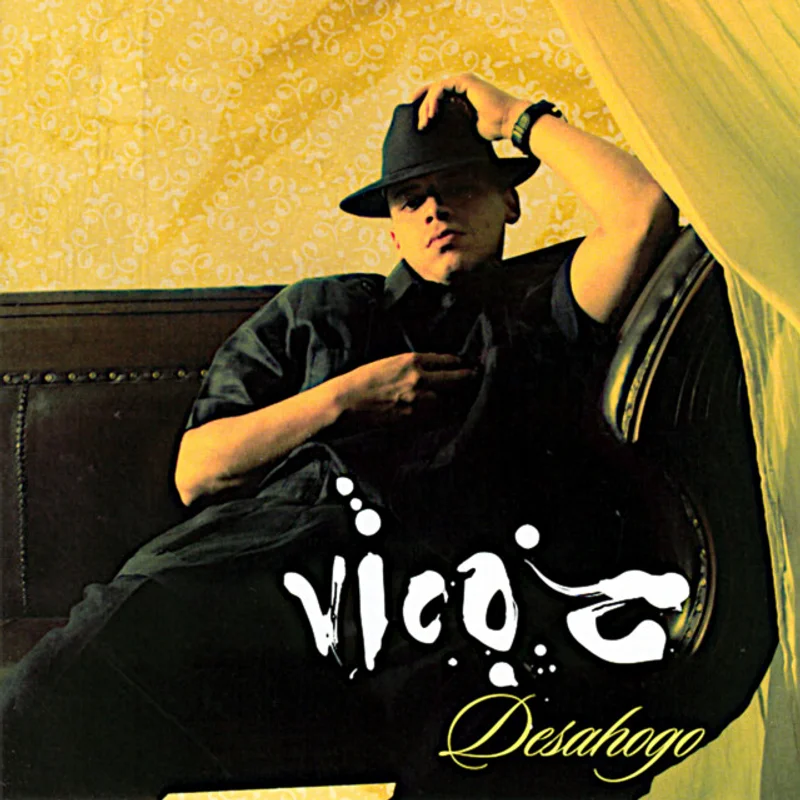
Desahogo
Two titans of Caribbean music meet at the crossroads of pride and forgiveness.
Sé que te hice mil heridas
Casi imposibles de sanar
Y nadie gana la partida
Pues tú allí, y yo acá
Cuando el orgullo no te deja
Entrar en tiempo y en razón
Hay que callar todas sus quejas
Y hacerle caso al corazón
¿Por qué llorar?
¿Por qué vivir así?
¿Por qué pensar?
Para volver a mí
¿Qué importa ya?
¿Qué tienen que decir?
Si vine ya
Vine por ti
Solo por ti, ay, amor
No me mates más con ese rencor
No me tires más con la soledad
No hagas alianzas con el dolor
No empeores mi realidad
Te doy hasta la luna con su esplendor
Te doy hasta mi sangre por tu piedad
Doy lo que sea para que tu corazón
Mire lo grande que es perdonar
Y no me mates más con ese rencor
Y no me tires más con la soledad
Y no hagas alianzas con el dolor
No empeores mi realidad
Te doy hasta la luna con su esplendor (¡oye!)
Te doy hasta mi sangre por tu piedad
Doy lo que sea para que tu corazón
Mire lo grande que es perdonar
Doy lo que sea para que tu corazón
Mire lo grande que es perdonar
Na-na, na-na-na
¿Qué vas a hacer en nuestra esquina?
¿Al realizar que ya no estoy?
¿Qué vas a hacer con esta ruina?
Si tú no estás, no sé quién soy
Si ya no duermes en la noche
Si tu sonrisa ya no está
Si nada dejan los reproches
Regresa y no mires atrás
¿Por qué llorar?
¿Por qué vivir así?
¿Por qué pensar?
Para volver a mí
¿Qué importa ya?
¿Qué tienen que decir?
Si vine ya
Vine por ti
Solo por ti, ay, amor
No me mates más con ese rencor
No me tires más con la soledad
No hagas alianzas con el dolor
No empeores mi realidad
Yo te doy hasta la luna con su esplendor
Te doy hasta mi sangre por tu piedad
Doy lo que sea para que tu corazón
Mire lo grande que es perdonar
Y no me mates más con ese rencor
Y no me tires más con la soledad (con la soledad)
Y no hagas alianzas con el dolor
No empeores mi realidad
Yo te doy hasta la luna con su esplendor (oye)
Te doy hasta mi sangre por tu piedad
Doy lo que sea para que tu corazón
Mire lo grande que es perdonar
Doy lo que sea para que tu corazón
Mire lo grande que es perdonar
Ay, amor (hay heridas imposibles de sanar)
¿Qué hacer con este amor?, (nadie gana la partida)
No sé quién soy (¿por qué llorar, por qué sufrir así?)
Me mata este dolor (si hoy vine por ti)
A decirte (amor)
"Regresa y no mires atrás" (qué hacer con este amor)
Oh, no, no, no empeores la realidad
Te doy mi vida, te doy mi sangre (no sé quién soy)
Yo, yo aún te venero (me mata este dolor)
Ay, amor, ¿qué hacer con este amor? (¿qué vas a hacer al realizar que ya no estoy aquí?)
No sé quién soy, me mata este dolor (si ya no duermes en la noche y nada dejan los reproches, corazón
Regresa a mí
Te doy hasta la luna yo, mi vida entera (amor, ¿qué hacer con este amor?)
Que como tú no hay ninguna (no sé quién soy)
No mires atrás
Sé que te hice mil heridas
Casi imposibles de sanar
Y nadie gana la partida
Pues tú allí, y yo acá
Cuando el orgullo no te deja
Entrar en tiempo y en razón
Hay que callar todas sus quejas
Y hacerle caso al corazón
¿Por qué llorar?
¿Por qué vivir así?
¿Por qué pensar?
Para volver a mí
¿Qué importa ya?
¿Qué tienen que decir?
Si vine ya
Vine por ti
Solo por ti, ay, amor
No me mates más con ese rencor
No me tires más con la soledad
No hagas alianzas con el dolor
No empeores mi realidad
Te doy hasta la luna con su esplendor
Te doy hasta mi sangre por tu piedad
Doy lo que sea para que tu corazón
Mire lo grande que es perdonar
Y no me mates más con ese rencor
Y no me tires más con la soledad
Y no hagas alianzas con el dolor
No empeores mi realidad
Te doy hasta la luna con su esplendor (¡oye!)
Te doy hasta mi sangre por tu piedad
Doy lo que sea para que tu corazón
Mire lo grande que es perdonar
Doy lo que sea para que tu corazón
Mire lo grande que es perdonar
Na-na, na-na-na
¿Qué vas a hacer en nuestra esquina?
¿Al realizar que ya no estoy?
¿Qué vas a hacer con esta ruina?
Si tú no estás, no sé quién soy
Si ya no duermes en la noche
Si tu sonrisa ya no está
Si nada dejan los reproches
Regresa y no mires atrás
¿Por qué llorar?
¿Por qué vivir así?
¿Por qué pensar?
Para volver a mí
¿Qué importa ya?
¿Qué tienen que decir?
Si vine ya
Vine por ti
Solo por ti, ay, amor
No me mates más con ese rencor
No me tires más con la soledad
No hagas alianzas con el dolor
No empeores mi realidad
Yo te doy hasta la luna con su esplendor
Te doy hasta mi sangre por tu piedad
Doy lo que sea para que tu corazón
Mire lo grande que es perdonar
Y no me mates más con ese rencor
Y no me tires más con la soledad (con la soledad)
Y no hagas alianzas con el dolor
No empeores mi realidad
Yo te doy hasta la luna con su esplendor (oye)
Te doy hasta mi sangre por tu piedad
Doy lo que sea para que tu corazón
Mire lo grande que es perdonar
Doy lo que sea para que tu corazón
Mire lo grande que es perdonar
Ay, amor (hay heridas imposibles de sanar)
¿Qué hacer con este amor?, (nadie gana la partida)
No sé quién soy (¿por qué llorar, por qué sufrir así?)
Me mata este dolor (si hoy vine por ti)
A decirte (amor)
"Regresa y no mires atrás" (qué hacer con este amor)
Oh, no, no, no empeores la realidad
Te doy mi vida, te doy mi sangre (no sé quién soy)
Yo, yo aún te venero (me mata este dolor)
Ay, amor, ¿qué hacer con este amor? (¿qué vas a hacer al realizar que ya no estoy aquí?)
No sé quién soy, me mata este dolor (si ya no duermes en la noche y nada dejan los reproches, corazón
Regresa a mí
Te doy hasta la luna yo, mi vida entera (amor, ¿qué hacer con este amor?)
Que como tú no hay ninguna (no sé quién soy)
No mires atrás
“Two titans of Caribbean music meet at the crossroads of pride and forgiveness.”
By the time Vico C began assembling the tracks for *Desahogo* in the late 1990s, he had already lived several lifetimes.
Born Luis Armando Lozada Cruz in Brooklyn and raised in Puerto Rico, the man widely regarded as the godfather of Spanish-language rap had survived addiction, spiritual crisis, and a near-fatal car accident in 1998 that left him in a coma.
When he emerged — literally reborn — his music took on a confessional gravity that few in reggaetón or Latin hip-hop had dared attempt.
"Lo Grande Que Es Perdonar" was born from that crucible, a song that demanded not just a rapper's cadence but a singer's soul.
For that, Vico C reached across the aisle to Gilberto Santa Rosa, the "Caballero de la Salsa," whose velvet tenor had been the gold standard in romantic salsa for over a decade.
The pairing was audacious: the street poet and the ballroom prince, meeting on the trembling ground of a broken relationship.
The production breathes at a deliberate 80 BPM, unhurried and heavy with emotional weight, settling into the warm harmonic bed of G major — a key that radiates both optimism and tenderness.
The arrangement is a masterclass in restraint.
Sparse piano chords and soft percussion open the track, giving Vico C's spoken-word cadences room to land like confessions whispered across a kitchen table.
When Gilberto Santa Rosa's voice enters, the sonic palette shifts: lush horn stabs, a gentle tumbao on the congas, and a bass line that pulses like a nervous heartbeat.
The production team wisely resisted the temptation to overload the track with the era's typical programmed beats, instead letting organic instrumentation — brushed snares, Rhodes piano, and muted trumpet flourishes — carry the emotional narrative.
The result is a hybrid that feels neither fully hip-hop nor fully salsa, but something rarer: a genuinely integrated fusion where both worlds coexist without compromise.
Lyrically, "Lo Grande Que Es Perdonar" unfolds as a two-act drama of remorse and supplication.
The opening verses are devastating in their honesty: "Sé que te hice mil heridas / Casi imposibles de sanar" — the speaker doesn't minimize or deflect, he names the damage plainly.
The metaphors escalate with operatic intensity: rencor (resentment) becomes a weapon, soledad (loneliness) an accomplice, dolor (pain) a co-conspirator.
The plea "No hagas alianzas con el dolor" personifies suffering as a rival suitor, someone the beloved might choose over reconciliation.
And then the title line arrives like a cathedral door swinging open: "Mire lo grande que es perdonar" — behold how grand it is to forgive.
It's not a demand but an invitation, framing forgiveness not as weakness but as an act of magnificent courage.
The closing montage, where Vico C and Santa Rosa trade lines in a call-and-response coda, dissolves the boundary between rapper and singer, between guilt and grace, until the two voices become one desperate prayer.
The track landed in a Latin music landscape that was rapidly splintering.
The late '90s and early 2000s saw reggaetón's commercial explosion, salsa's retreat into nostalgia circuits, and Latin pop's crossover ambitions reshaping the industry.
"Lo Grande Que Es Perdonar" defied easy categorization, and in doing so, it became a quiet anthem — not a chart-topping juggernaut but a song that embedded itself in the emotional vocabulary of Puerto Rican and pan-Latino households.
It received significant radio play across the Caribbean and was embraced by audiences who saw in it a reflection of real domestic struggles: the fights that go too far, the silences that calcify, the terrifying vulnerability required to say "come back." Critics praised the collaboration as proof that genre boundaries in Latin music were more porous than the industry acknowledged, and it helped cement Vico C's reputation as an artist who could transcend the limitations of any single style.
The legacy of "Lo Grande Que Es Perdonar" endures precisely because its subject is universal and its execution is timeless.
In Vico C's catalog, it stands alongside "Me Acuerdo" and "Aquel Que Había Muerto" as evidence of an artist who refused to be confined by expectation — a rapper who could make you weep.
For Gilberto Santa Rosa, it represented a willingness to step outside the salsa establishment and lend his instrument to something raw and unpolished, a generosity that only deepened his legend.
The song has become a staple at reconciliation moments in Latino culture — played at family gatherings after feuds, shared in text messages between estranged lovers, sung softly by mothers to remind their children that pride is a poison with a cure.
In an era when Latin urban music would come to dominate global charts, this track remains a quiet monument to the idea that the bravest thing two people — or two genres — can do is meet each other halfway.