Praprapra
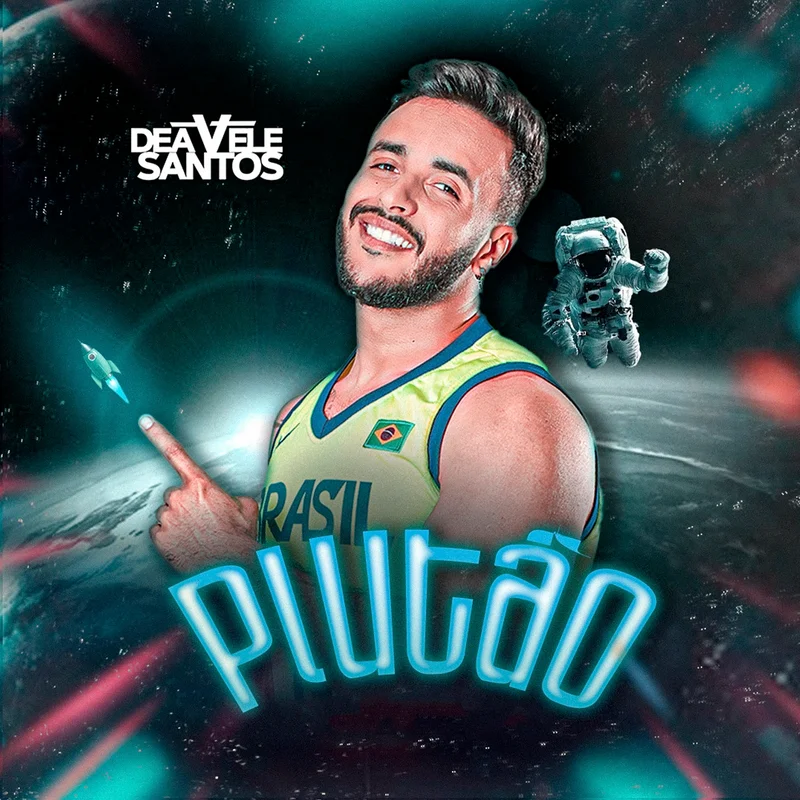
Deavele Santos
Plutão
Piseiro's unstoppable pulse meets the paredão — Deavele Santos ignites the dancefloor.
Eu chamei a novinha pa' dançar piseiro
Aumenta o paredão que eu vou botar querendo
Chama na catraca, bota no talento
Essa novinha é malvada e vem fazendo o movimento
Eu chamei a novinha pa' dançar piseiro
Aumenta o paredão que eu vou botar querendo
Chama na catraca, bota no talento
Essa novinha é malvada e vem fazendo o movimento
Pra, pra, pra
Pra, pra, pra
Bunda pra lá, bunda pra cá
Olha que pra, pra, pra
Pra, pra, pra
Tô ficando pirado vendo ela rebolar
Olha que pra, pra, pra
Pra, pra, pra
Bunda pra lá, bunda pra cá
Pra, pra, pra
Pra, pra, pra
Tô ficando pirado vendo ela rebolar
Eu chamei a novinha pa' dançar piseiro
Aumenta o paredão que eu vou botar querendo
Chama na catraca, bota no talento
Essa novinha é malvada e vem fazendo o movimento
Eu chamei a novinha pa' dançar piseiro
Aumenta o paredão que eu vou botar querendo
Chama na catraca, bota no talento
Essa novinha é malvada e vem fazendo o movimento
Pra, pra, pra
Pra, pra, pra
Bunda pra lá, bunda pra cá
Olha que pra, pra, pra
Pra, pra, pra
Tô ficando pirado vendo ela rebolar
Olha que pra, pra, pra
Pra, pra, pra
Bunda pra lá, bunda pra cá
Que pra, pra, pra
Pra, pra, pra
Tô ficando pirado vendo ela rebolar
Eu chamei a novinha pa' dançar piseiro
Aumenta o paredão que eu vou botar querendo
Chama na catraca, bota no talento
Essa novinha é malvada e vem fazendo o movimento
Eu chamei a novinha pa' dançar piseiro
Aumenta o paredão que eu vou botar querendo
Chama na catraca, bota no talento
Essa novinha é malvada e vem fazendo o movimento
Pra, pra, pra
Pra, pra, pra
Bunda pra lá, bunda pra cá
Olha que pra, pra, pra
Pra, pra, pra
Tô ficando pirado vendo ela rebolar
Olha que pra, pra, pra
Pra, pra, pra
Bunda pra lá, bunda pra cá
Pra, pra, pra
Pra, pra, pra
Tô ficando pirado vendo ela rebolar
Eu chamei a novinha pa' dançar piseiro
Aumenta o paredão que eu vou botar querendo
Chama na catraca, bota no talento
Essa novinha é malvada e vem fazendo o movimento
Eu chamei a novinha pa' dançar piseiro
Aumenta o paredão que eu vou botar querendo
Chama na catraca, bota no talento
Essa novinha é malvada e vem fazendo o movimento
Pra, pra, pra
Pra, pra, pra
Bunda pra lá, bunda pra cá
Olha que pra, pra, pra
Pra, pra, pra
Tô ficando pirado vendo ela rebolar
Olha que pra, pra, pra
Pra, pra, pra
Bunda pra lá, bunda pra cá
Que pra, pra, pra
Pra, pra, pra
Tô ficando pirado vendo ela rebolar
“Piseiro's unstoppable pulse meets the paredão — Deavele Santos ignites the dancefloor.”
Somewhere in the sprawling interior of northeastern Brazil, where bass-heavy sound systems — the infamous paredões — rattle the walls of open-air parties that stretch until dawn, Deavele Santos channeled the raw, irresistible energy of piseiro into a track that would become an anthem of bodily celebration.
"Pra Pra Pra" emerged from the crucible of a scene where music is not merely heard but physically felt, where the thump of a kick drum at 120 BPM is a communal heartbeat syncing hundreds of bodies into a single, swaying organism.
For Deavele, the song was born out of an instinct honed at countless festas — the knowledge that sometimes the simplest hook, the most primal rhythm, is the one that refuses to leave your skull.
Musically, "Pra Pra Pra" is a masterclass in economy.
Anchored firmly in C major — the most open, unadorned key on the chromatic wheel — the production strips away everything that isn't essential.
The backbone is classic piseiro: a syncopated electronic zabumba pattern locking into a triangle-like hi-hat shimmer, all riding atop a bass line that is more felt in the chest than heard through speakers.
At 120 BPM, the tempo sits in a sweet spot — not quite the frenzy of tecnobrega, not the languid sway of forró pé-de-serra, but a hypnotic middle ground that invites perpetual motion.
The vocal treatment is dry and upfront, placing Deavele's voice right in the listener's face, as if he's calling out across a crowded terreiro.
The energy and valence metrics both hover at a perfectly balanced 0.50, suggesting a track that is neither euphoric nor melancholic but rather locked into a trance-like groove — a controlled burn rather than an explosion.
Lyrically, Deavele Santos wastes no time on preamble.
The opening salvo — "Eu chamei a novinha pa' dançar piseiro / Aumenta o paredão que eu vou botar querendo" — is a declaration of intent: the girl is summoned to dance, the wall of speakers is cranked higher, and desire is made manifest through movement.
The phrase "chama na catraca, bota no talento" conjures the image of a turnstile at a party entrance, a call to step through and unleash one's skill on the floor.
And then comes the hook — "Pra, pra, pra" — a syllable so elemental it transcends language altogether.
It is onomatopoeia as incantation, the sound of hips hitting air, of bass slapping concrete, of pure rhythmic compulsion reduced to its phonetic essence.
"Bunda pra lá, bunda pra cá" maps the choreography in real time, left and right, a pendulum of movement that the narrator watches with unabashed, almost dizzy admiration: "Tô ficando pirado vendo ela rebolar." The cultural context of "Pra Pra Pra" is inseparable from the meteoric rise of piseiro as a dominant force in Brazilian popular music during the early 2020s.
What began as a regional update of forró eletrônico in the sertões of Pernambuco, Ceará, and Bahia rapidly colonized streaming playlists nationwide, propelled by TikTok choreographies and the democratized distribution of independent northeastern artists.
Deavele Santos, with his album "Plutão" — a title that playfully invokes the distant, reclassified planet as if to say his music orbits beyond the mainstream's gravitational pull — positioned himself within a wave of artists who proved that the Brazilian interior was not a cultural periphery but a creative epicenter.
"Pra Pra Pra" found its audience not through traditional radio but through viral dance challenges, car-sound-system compilations on YouTube, and the relentless sharing economy of WhatsApp groups across the Nordeste.
The legacy of "Pra Pra Pra" lies in its distillation of a cultural moment into three syllables.
It is a track that understands the dancefloor as a site of liberation — where the body speaks louder than words, where the paredão's bass is a leveling force that dissolves class, geography, and pretension.
Within Deavele Santos's catalog, it stands as a signature statement: proof that in the right hands, simplicity is not a limitation but a superpower.
In the broader arc of Brazilian music, it joins a lineage of tracks — from axé to funk carioca to brega funk — that have insisted the body's joy is a legitimate, even radical, form of expression.
As piseiro continues to evolve and cross-pollinate with other genres, "Pra Pra Pra" remains a touchstone, a reminder of the moment when a three-syllable hook from the interior of Brazil made the entire country move.