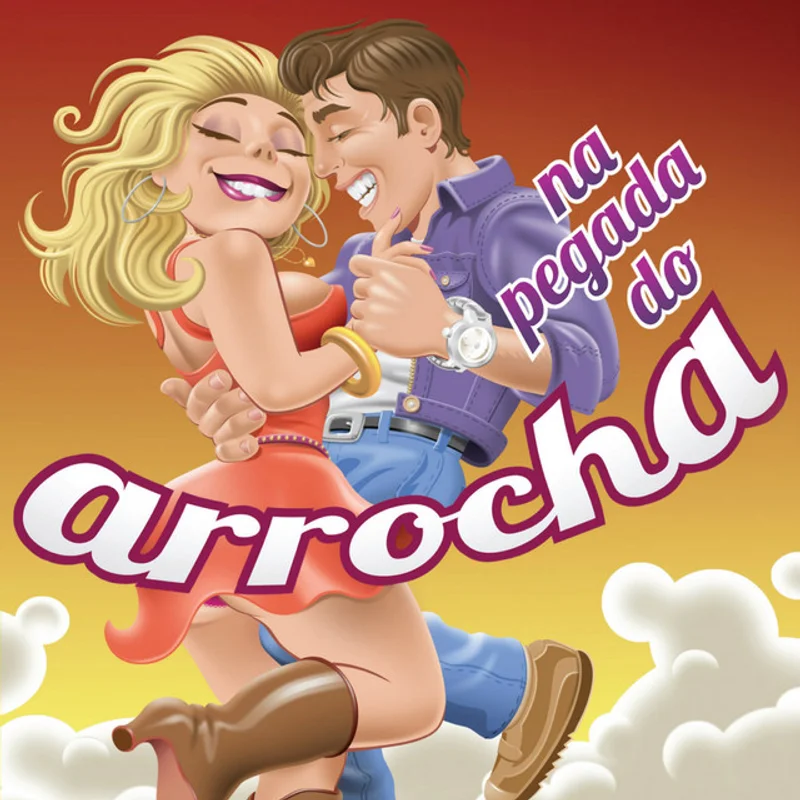
EuQueroTchuEuQueroTcha
João Lucas & Marcelo
Na Pegada do Arrocha
Two syllables that conquered a continent: the anatomy of Brazil's most infectious hook.
Eu quero tchu, eu quero tcha
Eu quero tchu tcha tcha tchu tchu tcha
Tchu tcha tcha tchu tchu tcha
Eu quero tchu, eu quero tcha
Eu quero tchu tcha tcha tchu tchu tcha
Tchu tcha tcha tchu tchu tcha
É isso aí galera
Esse é o novo hit do João Lucas e Marcelo
Tchu tcha tcha
Cheguei na balada, doidinho pra biritar
A galera tá no clima, todo mundo quer dançar
Uma mina me chamou, disse: Faz o tchu tcha tcha
Perguntei: O que é isso? Ela disse: Eu vou te ensinar
É uma dança sensual, em Goiânia já pegou
Em Minas explodiu, Tocantins já bombou
No Nordeste as mina faz, no verão vai pegar
Então faz o tchu tcha tcha, o Brasil inteiro vai cantar
Com João Lucas e Marcelo
Eu quero tchu, eu quero tcha
Eu quero tchu tcha tcha tchu tchu tcha
Tchu tcha tcha tchu tchu tcha
Eu quero tchu, eu quero tcha
Eu quero tchu tcha tcha tchu tchu tcha
Tchu tcha tcha tchu tchu tcha
Cheguei na balada, doidinho pra biritar
A galera tá no clima, todo mundo quer dançar
Uma mina me chamou, disse: Faz o tchu tcha tcha
Perguntei: O que é isso? Ela disse: Eu vou te ensinar
É uma dança sensual, em Goiânia já pegou
Em Minas explodiu, Tocantins já bombou
No Nordeste as mina faz, no verão vai pegar
Então faz o tchu tcha tcha, o Brasil inteiro vai cantar
Com João Lucas e Marcelo
Eu quero tchu, eu quero tcha
Eu quero tchu tcha tcha tchu tchu tcha
Tchu tcha tcha tchu tchu tcha
Eu quero tchu, eu quero tcha
Eu quero tchu tcha tcha tchu tchu tcha
Tchu tcha tcha tchu tchu tcha
Eu quero tchu, eu quero tcha
Eu quero tchu tcha tcha tchu tchu tcha
Tchu tcha tcha tchu tchu tcha
Eu quero tchu, eu quero tcha
Eu quero tchu tcha tcha tchu tchu tcha
Tchu tcha tcha tchu tchu tcha
Eu quero tchu, eu quero tcha
Eu quero tchu tcha tcha tchu tchu tcha
Tchu tcha tcha tchu tchu tcha
Eu quero tchu, eu quero tcha
Eu quero tchu tcha tcha tchu tchu tcha
Tchu tcha tcha tchu tchu tcha
É isso aí galera
Esse é o novo hit do João Lucas e Marcelo
Tchu tcha tcha
Cheguei na balada, doidinho pra biritar
A galera tá no clima, todo mundo quer dançar
Uma mina me chamou, disse: Faz o tchu tcha tcha
Perguntei: O que é isso? Ela disse: Eu vou te ensinar
É uma dança sensual, em Goiânia já pegou
Em Minas explodiu, Tocantins já bombou
No Nordeste as mina faz, no verão vai pegar
Então faz o tchu tcha tcha, o Brasil inteiro vai cantar
Com João Lucas e Marcelo
Eu quero tchu, eu quero tcha
Eu quero tchu tcha tcha tchu tchu tcha
Tchu tcha tcha tchu tchu tcha
Eu quero tchu, eu quero tcha
Eu quero tchu tcha tcha tchu tchu tcha
Tchu tcha tcha tchu tchu tcha
Cheguei na balada, doidinho pra biritar
A galera tá no clima, todo mundo quer dançar
Uma mina me chamou, disse: Faz o tchu tcha tcha
Perguntei: O que é isso? Ela disse: Eu vou te ensinar
É uma dança sensual, em Goiânia já pegou
Em Minas explodiu, Tocantins já bombou
No Nordeste as mina faz, no verão vai pegar
Então faz o tchu tcha tcha, o Brasil inteiro vai cantar
Com João Lucas e Marcelo
Eu quero tchu, eu quero tcha
Eu quero tchu tcha tcha tchu tchu tcha
Tchu tcha tcha tchu tchu tcha
Eu quero tchu, eu quero tcha
Eu quero tchu tcha tcha tchu tchu tcha
Tchu tcha tcha tchu tchu tcha
Eu quero tchu, eu quero tcha
Eu quero tchu tcha tcha tchu tchu tcha
Tchu tcha tcha tchu tchu tcha
Eu quero tchu, eu quero tcha
Eu quero tchu tcha tcha tchu tchu tcha
Tchu tcha tcha tchu tchu tcha
“Two syllables that conquered a continent: the anatomy of Brazil's most infectious hook.”
In the sweltering interior of Goiás state, sometime around 2011, two young sertanejo singers named João Lucas and Marcelo were searching for the kind of song that could leap from a regional dance floor to the national consciousness.
The duo, products of Brazil's booming sertanejo universitário movement — a youthful, pop-inflected reinvention of traditional country music — had been grinding through the circuit of baladas and festas that dot the Brazilian heartland.
The story goes that the "tchu tcha tcha" hook emerged almost as a joke, a nonsense syllable pattern born from the playful energy of a live performance, the kind of spontaneous vocal invention that audiences latch onto precisely because it demands nothing of the intellect and everything of the body.
They recognized immediately that they had stumbled onto something primal: a rhythmic incantation so simple it could cross every linguistic and regional barrier in a country of 200 million people.
Musically, "Eu Quero Tchu Eu Quero Tcha" is a masterclass in populist economy.
Sitting at a steady 120 BPM in the bright, unambiguous key of C major, the production draws from the arrocha tradition — that slow-burning, hip-grinding Bahian style — while injecting it with the polished sheen of mainstream sertanejo pop.
The sonic palette is deliberately restrained: a pulsing electronic kick drum anchors the groove, layered with programmed percussion that nods to forró's triangle-and-zabumba heartbeat without fully committing to it.
Synthesized accordion stabs and a clean, reverb-kissed electric guitar provide harmonic scaffolding, while the vocals sit high and forward in the mix, dry and intimate, as if João Lucas and Marcelo are whispering their invitation directly into the listener's ear before the chorus explodes into communal chant.
The moderate energy reading — a deceptive 0.50 — reflects the track's cunning architecture: it never overwhelms, instead creating a hypnotic, looping space where the hook can burrow into the brain and never leave.
The lyrics operate on a plane of deliberate, almost radical simplicity.
The narrative frame is a classic Brazilian party scenario: the narrator arrives at the balada "doidinho pra biritar" — slang for eager to drink — and finds the crowd already in motion.
A woman beckons him to perform the "tchu tcha tcha," and when he asks what it is, she offers to teach him.
This micro-story is the song's Trojan horse, a thin fictional pretext for what is essentially a geographic conquest narrative.
The verses map the dance's spread like a military campaign — Goiânia first, then Minas Gerais, Tocantins, the entire Nordeste — before arriving at its triumphant prophecy: "O Brasil inteiro vai cantar." The "tchu tcha tcha" itself, meaningless as language, becomes pure signifier of collective joy, a blank vessel into which any dancer can pour their own desire.
The refrain "eu quero" — I want — repeated with almost mantric insistence, strips longing down to its most elemental, physical form.
The cultural reception was volcanic.
Released into the ecosystem of Brazilian social media and YouTube in late 2011 and exploding through 2012, the track became one of the defining viral phenomena of Brazil's pre-World Cup pop moment.
It accumulated hundreds of millions of YouTube views at a time when such numbers were still extraordinary for Portuguese-language content.
The song transcended sertanejo's traditional fanbase, infiltrating carnival blocos, futebol stadiums, and school playgrounds alike.
International football stars, including Neymar, were filmed performing the tchu tcha tcha dance, catapulting the track into global sports culture.
It charted ferociously across Latin America and even penetrated European markets, particularly in Spain, Portugal, and Italy, where it became an unlikely summer anthem.
Critics were divided — some dismissed it as the nadir of disposable pop, while others recognized in its viral mechanics a genuine innovation in how Brazilian popular music could propagate in the digital age.
More than a decade later, "Eu Quero Tchu Eu Quero Tcha" endures as a cultural artifact of enormous significance, a song that crystallized a specific moment in Brazilian pop when sertanejo universitário, arrocha, and internet virality fused into an unstoppable force.
It belongs to a lineage of Brazilian party anthems — from "Macarena"-style global earworms to axé carnival standards — that prove the most democratic music is often the most derided by gatekeepers and the most beloved by the people who actually dance.
For João Lucas and Marcelo, it remains their defining statement, the song that proved two syllables, a steady groove, and an irresistible invitation to move could unite an entire nation.
In the broader history of Brazilian popular music, it stands as a monument to the power of the hook — evidence that sometimes the most profound thing a song can say is nothing at all, and mean absolutely everything.