MuchoCorazón
Luis Miguel
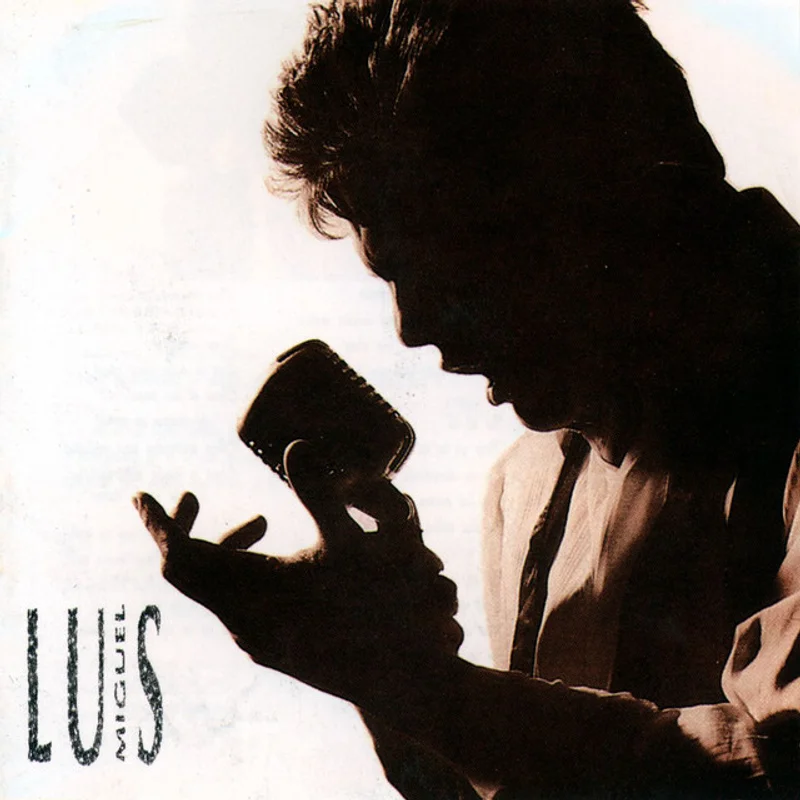
Romance
A bolero masterclass: Luis Miguel proves that to love, one needs no reason — only heart.
🎺🎺🎺
Di si encontraste en mi pasado
Una razón para quererme
O para olvidarme
Pides cariño, pides olvido
Si te conviene
No llames corazón
Lo que tú tienes
De mi pasado preguntas todo
Que cómo fue
Si antes de amar
Debe tenerse fe
Dar por un querer
La vida misma sin morir
Eso es cariño
No lo que hay en ti
Yo para querer
No necesito una razón
Me sobra mucho
Pero mucho corazón
De mi pasado preguntas todo
Que cómo fue
Si antes de amar
Debe tenerse fe
Dar por un querer
La vida misma sin morir
Eso es cariño
No lo que hay en ti
Yo para querer
No necesito una razón
Me sobra mucho
Pero mucho corazón
🎺🎺🎺
Di si encontraste en mi pasado
Una razón para quererme
O para olvidarme
Pides cariño, pides olvido
Si te conviene
No llames corazón
Lo que tú tienes
De mi pasado preguntas todo
Que cómo fue
Si antes de amar
Debe tenerse fe
Dar por un querer
La vida misma sin morir
Eso es cariño
No lo que hay en ti
Yo para querer
No necesito una razón
Me sobra mucho
Pero mucho corazón
De mi pasado preguntas todo
Que cómo fue
Si antes de amar
Debe tenerse fe
Dar por un querer
La vida misma sin morir
Eso es cariño
No lo que hay en ti
Yo para querer
No necesito una razón
Me sobra mucho
Pero mucho corazón
“A bolero masterclass: Luis Miguel proves that to love, one needs no reason — only heart.”
In 1991, the Latin music world held its breath as Luis Miguel — already a bona fide superstar at just twenty-one years old — made the audacious decision to record an entire album of boleros, the romantic ballad form that many industry insiders considered a relic of their grandparents' era.
The album "Romance," produced by the legendary Armando Manzanero and arranged by Bebu Silvetti, was recorded primarily at studios in Los Angeles and represented a creative gamble of extraordinary proportions.
"Mucho Corazón" was one of the crown jewels of that collection, a song originally composed by the great Mexican songwriter Emma Elena Valdelamar in the 1940s.
For Luis Miguel, who was navigating the complexities of early fame and a turbulent personal life marked by the mysterious disappearance of his mother, these classic songs of love and heartbreak were not museum pieces — they were living, breathing vessels for emotions he understood intimately.
The production of "Mucho Corazón" is a study in elegant restraint and orchestral grandeur working in perfect tension.
Set in the key of C major at a stately 120 BPM — a tempo that gives the song a gently swaying, almost conversational pulse — the arrangement by Bebu Silvetti wraps Luis Miguel's voice in lush strings, delicate piano figures, and the warm breath of woodwinds that recall the golden age of Mexican orchestral bolero.
The sonic palette is deliberately cinematic: every instrument occupies its own pristine space in the mix, from the brushed percussion that whispers beneath the verses to the swelling violins that rise during the emotional crescendos.
Silvetti's genius lay in understanding that the bolero demands not bombast but intimacy amplified — the arrangements never compete with Luis Miguel's voice but instead cradle it, lifting it like a jewel held up to candlelight.
The energy sits at a perfect midpoint, neither languorous nor urgent, creating a space where tenderness and quiet defiance coexist.
Lyrically, "Mucho Corazón" is a devastatingly elegant meditation on the nature of authentic love versus its calculating imitation.
The narrator addresses a lover — or perhaps a former lover — who interrogates the past, who demands reasons and explanations for affection, who dispenses tenderness or indifference as it suits them.
"No llames corazón lo que tú tienes" — don't call what you have a heart — is a line that cuts with surgical precision, exposing the hollowness of transactional love.
The song's emotional arc builds toward its magnificent thesis: "Yo para querer no necesito una razón / Me sobra mucho, pero mucho corazón." To love, the narrator declares, one needs no reason — only an abundance of heart.
It is a philosophy of love as unconditional surrender, as faith before proof, as giving one's very life "sin morir" — without dying.
Emma Elena Valdelamar's lyrics, written decades before Luis Miguel was born, achieve a timelessness that transcends their era, and in his voice they find a vessel both youthful and impossibly wise.
The cultural impact of "Romance" — and "Mucho Corazón" within it — cannot be overstated.
The album sold over fourteen million copies worldwide, becoming the best-selling Spanish-language album in history at the time and single-handedly reviving the bolero genre for an entirely new generation.
Critics who had predicted commercial disaster were silenced as the album dominated charts across Latin America, Spain, and even crossed over to mainstream American audiences.
"Mucho Corazón" became a staple of Luis Miguel's legendary live performances, often serving as a moment of hushed communion between artist and audience in arenas that held tens of thousands.
The song helped cement the cultural narrative that Luis Miguel was not merely a pop star but a custodian of Latin American romantic tradition — a bridge between the elegant past and the modern present.
More than three decades later, "Mucho Corazón" endures as one of the defining recordings in Luis Miguel's vast catalog and as a touchstone for anyone who has ever loved without reservation.
It stands as proof that great songs do not age — they simply wait for the right voice to carry them forward.
The "Romance" trilogy that followed ("Segundo Romance" in 1994 and "Romances" in 1997) confirmed the template, but it was this first album, and songs like "Mucho Corazón," that broke the ground.
In an era increasingly dominated by digital production and algorithmic songwriting, the song's organic warmth, its unapologetic romanticism, and its faith in the human voice as the ultimate instrument feel not nostalgic but radical.
Luis Miguel did not merely cover a classic — he claimed it, inhabited it, and in doing so reminded the world that the bolero is not a genre of the past.
It is the eternal language of the heart.