AlSudeste-Remasterizado
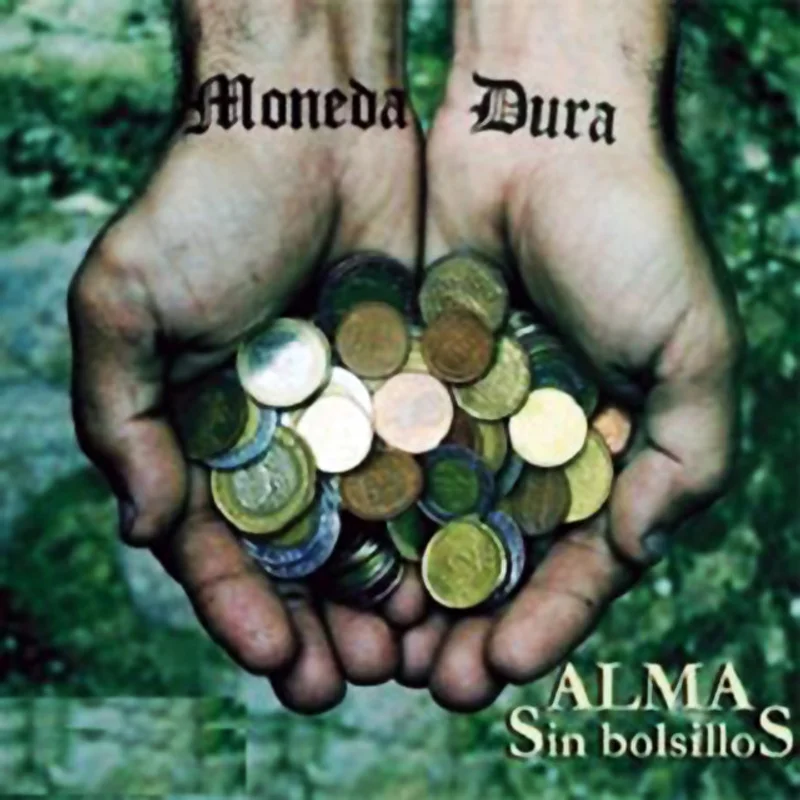
Moneda Dura
Alma Sin Bolsillos (Remasterizado)
A moonlit reckoning with love's wreckage, from Havana's most restless rock poets.
Como fue que te perdiste, porque rumbo andabas
Cuando aquella noche tonta te espere, sin pensar
Vi como pasanban anos por tu ojos
Y que pronto me di cuenta que hablar, esta de mas
Porque al sudeste de tu luna hay algo que me sabe bien
Pero me causa dudas
Y para que entregarte mi dolor si cuando duermo
Solo queda la locura
Y no te escribo una cancion de amor
No es tiempo de que el hambre
Empane tu hermosura
Porque al sudeste de tu luna bajo buscando respuestas
Pero ya no hay ninguna
Fuiste mucho y fuiste nada, pero es natural
Cuando como un perro triste
Me escondía en ti
Te agradesco tantos besos, tantas horas
Te agradesco cuando pasas por mis sueños
Y lloras
Porque al sudeste de tu luna hay algo que me sabe bien
Pero me causa dudas
Y para que entregarte mi dolor si cuando duermo
Solo queda la locura
Y no te escribo una cancion de amor
No es tiempo de que el hambre
Empane tu hermosura
Porque al sudeste de tu luna bajo buscando respuestas
Pero ya no hay ninguna
Pero ya no hay ninguna
Como fue que te perdiste, porque rumbo andabas
Cuando aquella noche tonta te espere, sin pensar
Vi como pasanban anos por tu ojos
Y que pronto me di cuenta que hablar, esta de mas
Porque al sudeste de tu luna hay algo que me sabe bien
Pero me causa dudas
Y para que entregarte mi dolor si cuando duermo
Solo queda la locura
Y no te escribo una cancion de amor
No es tiempo de que el hambre
Empane tu hermosura
Porque al sudeste de tu luna bajo buscando respuestas
Pero ya no hay ninguna
Fuiste mucho y fuiste nada, pero es natural
Cuando como un perro triste
Me escondía en ti
Te agradesco tantos besos, tantas horas
Te agradesco cuando pasas por mis sueños
Y lloras
Porque al sudeste de tu luna hay algo que me sabe bien
Pero me causa dudas
Y para que entregarte mi dolor si cuando duermo
Solo queda la locura
Y no te escribo una cancion de amor
No es tiempo de que el hambre
Empane tu hermosura
Porque al sudeste de tu luna bajo buscando respuestas
Pero ya no hay ninguna
Pero ya no hay ninguna
“A moonlit reckoning with love's wreckage, from Havana's most restless rock poets.”
In the sweltering creative crucible of early 2000s Havana, Moneda Dura was forging a sound that refused to sit neatly within the boundaries Cuban institutions had drawn for rock music on the island.
"Al Sudeste" emerged during a period when the band — led by the introspective songwriting of their core members — was grappling with the tension between personal longing and the broader existential uncertainties of life in a society perpetually in transition.
The song was born, as so many great ballads are, from a night of waiting that turned into a reckoning: someone who never arrived, and the slow, devastating clarity that followed.
It was written in fragments, scribbled in notebooks during blackouts and rehearsed in the humid, equipment-scarce studios that defined Cuban rock's DIY ethos.
Musically, "Al Sudeste" is a masterclass in restrained intensity.
Sitting at 120 BPM in the generous, open architecture of C major, the track occupies a rare emotional middle ground — neither euphoric nor despondent, but suspended in the amber of ambivalence.
The production on this remastered edition from "Alma Sin Bolsillos" reveals textures that the original mix, constrained by limited studio resources, could only hint at: the warm, slightly overdriven guitar tones that cradle the verses, the bass lines that pulse like a slow heartbeat beneath the chorus, and the drums that push forward with just enough urgency to keep the song from dissolving into pure melancholy.
The energy sits at a deliberate midpoint, a sonic reflection of the lyric's own emotional tightrope walk between gratitude and grief.
The lyrics of "Al Sudeste" are among the most poetically ambitious in Moneda Dura's catalog.
The central metaphor — "al sudeste de tu luna," to the southeast of your moon — is a stroke of geographic surrealism, transforming a lover's inner world into a landscape to be navigated, explored, and ultimately lost within.
The narrator searches for answers beneath this private moon and finds none.
There is a raw, almost confessional honesty in lines like "como un perro triste me escondía en ti" — hiding inside another person like a sad dog seeking shelter — that strips away any romantic pretense.
And yet the song explicitly refuses to be a love song: "no te escribo una canción de amor," the singer declares, as if the very act of categorizing the emotion would cheapen it.
Instead, it becomes something more complex — a song about the space love leaves behind, about hunger and beauty and the madness that fills the void when sleep comes.
Within Cuba's rock alternativo scene, "Al Sudeste" became something of an anthem for a generation that understood longing on multiple registers — romantic, yes, but also cultural, political, existential.
Moneda Dura had already established themselves as one of the island's most compelling rock acts, navigating the complex relationship between artistic expression and state cultural policy.
The song resonated deeply in live settings, where audiences in Havana's Casa de la Música and outdoor festivals would sing the chorus back with a fervor that suggested they heard their own dislocations in its verses.
Critical reception within Cuba's music press praised the track's lyrical sophistication and its refusal to pander to either pop simplicity or rock bravado.
Internationally, as Cuban rock slowly found audiences through diaspora networks and digital distribution, "Al Sudeste" became one of the tracks that introduced listeners to the depth and originality of the island's rock movement.
The remastering of "Alma Sin Bolsillos" — an album whose very title, "Soul Without Pockets," speaks to a kind of spiritual poverty that transcends economics — gives "Al Sudeste" the sonic breathing room it always deserved.
In this new edition, the song's dynamics are more fully realized, its quieter moments more intimate, its crescendos more enveloping.
It stands as a testament to Moneda Dura's singular place in Latin American rock: a band that could channel the island's rhythmic heritage, the philosophical weight of its isolation, and the universal ache of human connection into songs that feel both specifically Cuban and boundlessly universal.
Decades on, "Al Sudeste" endures because its central question — what do you do when you've searched beneath someone's moon and found no answers?
— never stops being relevant.
It is a song for anyone who has ever stood at the intersection of love and bewilderment, gratitude and loss, and chosen not to write a love song about it but something stranger, truer, and more lasting.
In the broader arc of Cuban rock history, it remains one of the genre's most quietly devastating achievements, a reminder that some of the most powerful music on earth has been made in the most unlikely of circumstances.