ElDíaDeMiSuerte
Willie Colón, Héctor Lavoe
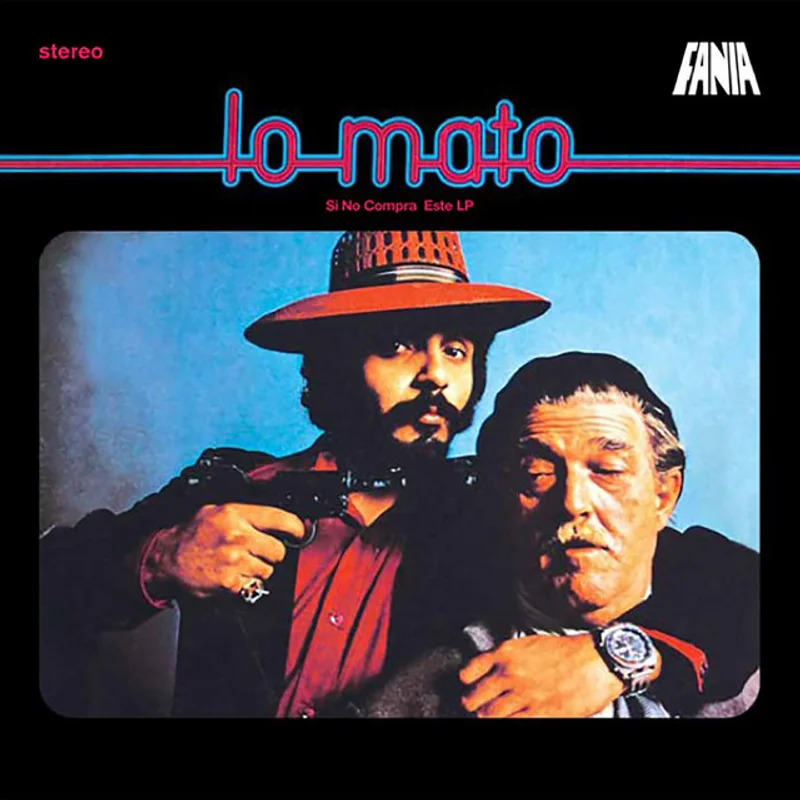
Lo Mato
A salsa anthem of stubborn hope forged in the fires of barrio heartbreak.
Pronto llegará
El día de mi suerte
Sé que antes de mi muerte
Seguro que mi suerte cambiará
Pronto llegará
El día de mi suerte
Sé que antes de mi muerte
Seguro que mi suerte cambiará
Cuando niño mi mamá se murió (bom-bo)
Solito con el viejo me dejó
Me dijo: "solo nunca quedarás" (bom-bo)
Porque él no esperaba una enfermedad
A los diez años papá se murió (eh-eh)
Se fue con mamá para el más allá
Y la gente decían al verme llorar
"No llores, nene, que tu suerte cambiará", ¿y cuándo será?
Pronto llegará
El día de mi suerte
Sé que antes de mi muerte
Seguro que mi suerte cambiará
Óyeme
Pronto llegará
El día de mi suerte
Sé que antes de mi muerte
Seguro que mi suerte cambiará
Esperando mi suerte quedé yo (bom-bo)
Pero mi vida, otro rumbo cogió
Sobreviviendo en una realidad (bom-bo)
De la cual yo no podía ni escapar
Para comer hay que buscarse el real (eh-eh)
Aunque sea en contra de esta sociedad
A la cárcel me escribe mi amistad
"No te apures que tu suerte cambiará, oye, verás"
Pronto llegará
El día de mi suerte
Sé que antes de mi muerte
Seguro que mi suerte cambiará
Pronto llegará
El día de mi suerte
Sé que antes de mi muerte
Seguro que mi suerte cambiará
Ahora me encuentro aquí en mi soledad (bom-bo)
Pensando qué de mi vida será
No tengo sitio dónde regresar (bom-bo)
Y tampoco a nadie quiero ocupar
Si el destino me vuelve a traicionar (eh-eh)
Te juro que no puedo fracasar
Estoy cansado de tanto esperar
Y estoy seguro que mi suerte cambiará, ¿y cuándo será?
Pronto llegará
El día de mi suerte
Sé que antes de mi muerte
Seguro que mi suerte cambiará
Pronto llegará
El día de mi suerte
Sé que antes de mi muerte
Seguro que mi suerte cambiará
Sufrí gran parte de mi vida ya (bom-bo)
Sin un complejo de inferioridad
Por eso no me canso de esperar (bom-bo)
Pues un día Dios a mí me ayudará
Y el día que eso suceda, escuche usted (eh-eh)
A todo el mundo yo le ayudaré
Porque tarde o temprano usted verá
Cómo el día de mi suerte llegará, ya lo verá
Ahora sí
Cógeme que voy sin jockey
Pronto llegará
El día de mi suerte
Sé que antes de mi muerte
Seguro que mi suerte cambiará
Pronto llegará
El día de mi suerte
Sé que antes de mi muerte
Seguro que mi suerte cambiará
Muchas veces me pongo a contemplar (bom-bo)
Que yo nunca a nadie le he hecho mal
¿Por qué la vida así me ha de tratar? (bom-bo)
Si lo que busco es la felicidad
Trato de complacer la humanidad (eh-eh)
Pero mi dicha aquí ha sido fatal
No pierdo la esperanza de luchar
Y seguro que mi suerte cambiará, pero ¿cuándo será?
Pronto llegará
El día de mi suerte
Sé que antes de mi muerte
Seguro que mi suerte cambiará
Pronto llegará
El día de mi suerte
Sé que antes de mi muerte
Seguro que mi suerte cambiará
Esperando, la vida he de pasar (bom-bo)
Este martirio no podré aguantar
Y pregunto hasta cuándo durará (bom-bo)
También si lo podré sobrellevar
Si el destino me vuelve a traicionar (eh-eh)
Te juro que no puedo fracasar
Estoy cansado de tanto esperar
Y estoy seguro que mi suerte cambiara, pero ¿cuándo será?
Pronto llegará
El día de mi suerte
Sé que antes de mi muerte
Seguro que mi suerte cambiará
Pronto llegará
El día de mi suerte
Sé que antes de mi muerte
Seguro que mi suerte cambiará
Cuando niño mi mamá se murió (bom-bo)
Solito con el viejo me dejó
Me dijo: "solo nunca quedarás" (bom-bo)
Porque él no esperaba una enfermedad
A los diez años papá se murió (eh-eh)
Se fue con mamá para el más allá
Y la gente decían al verme llorar
"No llores, nene, que tu suerte cambiará", ¿y cuándo será?
Pronto llegará
El día de mi suerte
Sé que antes de mi muerte
Seguro que mi suerte cambiará
Óyeme
Pronto llegará
El día de mi suerte
Sé que antes de mi muerte
Seguro que mi suerte cambiará
Esperando mi suerte quedé yo (bom-bo)
Pero mi vida, otro rumbo cogió
Sobreviviendo en una realidad (bom-bo)
De la cual yo no podía ni escapar
Para comer hay que buscarse el real (eh-eh)
Aunque sea en contra de esta sociedad
A la cárcel me escribe mi amistad
"No te apures que tu suerte cambiará, oye, verás"
Pronto llegará
El día de mi suerte
Sé que antes de mi muerte
Seguro que mi suerte cambiará
Pronto llegará
El día de mi suerte
Sé que antes de mi muerte
Seguro que mi suerte cambiará
Ahora me encuentro aquí en mi soledad (bom-bo)
Pensando qué de mi vida será
No tengo sitio dónde regresar (bom-bo)
Y tampoco a nadie quiero ocupar
Si el destino me vuelve a traicionar (eh-eh)
Te juro que no puedo fracasar
Estoy cansado de tanto esperar
Y estoy seguro que mi suerte cambiará, ¿y cuándo será?
Pronto llegará
El día de mi suerte
Sé que antes de mi muerte
Seguro que mi suerte cambiará
Pronto llegará
El día de mi suerte
Sé que antes de mi muerte
Seguro que mi suerte cambiará
Sufrí gran parte de mi vida ya (bom-bo)
Sin un complejo de inferioridad
Por eso no me canso de esperar (bom-bo)
Pues un día Dios a mí me ayudará
Y el día que eso suceda, escuche usted (eh-eh)
A todo el mundo yo le ayudaré
Porque tarde o temprano usted verá
Cómo el día de mi suerte llegará, ya lo verá
Ahora sí
Cógeme que voy sin jockey
Pronto llegará
El día de mi suerte
Sé que antes de mi muerte
Seguro que mi suerte cambiará
Pronto llegará
El día de mi suerte
Sé que antes de mi muerte
Seguro que mi suerte cambiará
Muchas veces me pongo a contemplar (bom-bo)
Que yo nunca a nadie le he hecho mal
¿Por qué la vida así me ha de tratar? (bom-bo)
Si lo que busco es la felicidad
Trato de complacer la humanidad (eh-eh)
Pero mi dicha aquí ha sido fatal
No pierdo la esperanza de luchar
Y seguro que mi suerte cambiará, pero ¿cuándo será?
Pronto llegará
El día de mi suerte
Sé que antes de mi muerte
Seguro que mi suerte cambiará
Pronto llegará
El día de mi suerte
Sé que antes de mi muerte
Seguro que mi suerte cambiará
Esperando, la vida he de pasar (bom-bo)
Este martirio no podré aguantar
Y pregunto hasta cuándo durará (bom-bo)
También si lo podré sobrellevar
Si el destino me vuelve a traicionar (eh-eh)
Te juro que no puedo fracasar
Estoy cansado de tanto esperar
Y estoy seguro que mi suerte cambiara, pero ¿cuándo será?
“A salsa anthem of stubborn hope forged in the fires of barrio heartbreak.”
In 1973, the South Bronx was burning — literally and figuratively.
Landlords torched tenements for insurance money, heroin carved through neighborhoods like a slow-moving plague, and the Puerto Rican diaspora navigated a city that seemed to have no room for their dreams.
Into this cauldron stepped two young men from the borough who had already begun rewriting the rules of Latin music: trombonist and producer Willie Colón, barely into his twenties but already a veteran of Fania Records' revolutionary stable, and Héctor Lavoe, the golden-voiced jíbaro from Ponce whose phrasing could make you weep into your rum or leap onto the dance floor in the span of a single bar.
Together they entered the studio to record what would become 'Lo Mato' — an album whose title track dripped with dark comedy, but whose emotional centerpiece, 'El Día De Mi Suerte,' would become one of the most enduring statements of resilience in the entire Latin music canon.
The song was composed by the great Dominican songwriter Tite Curet Alonso, a man whose pen was responsible for some of the most socially conscious material in salsa history.
Curet Alonso had an uncanny gift for distilling the vast, systemic suffering of Caribbean and Latino communities into intimate, first-person narratives that felt simultaneously autobiographical and universal.
With 'El Día De Mi Suerte,' he crafted a story of cascading misfortune — an orphaned child, poverty, crime born of desperation, imprisonment — that reads almost like a picaresque novel compressed into six minutes of song.
The melody he wrote in G major carries an almost paradoxical brightness, its upward-reaching intervals embodying the very hope the lyrics cling to against all evidence.
This tension between the buoyancy of the music and the gravity of the words is the engine that drives the song's extraordinary emotional power.
Musically, the track is a masterclass in the Colón-Lavoe production aesthetic that defined the golden age of New York salsa.
The arrangement barrels forward at approximately 140 BPM, propelled by a clave pattern that locks into the listener's nervous system like a second heartbeat.
Colón's trombone section — that unmistakable brassy growl that had become his signature since his teenage debut — punches through the mix with an almost confrontational swagger, while the rhythm section of congas, timbales, bongó, and bass creates a polyrhythmic bed of extraordinary density and swing.
The piano montuno cascades in relentless cycles, and the 'bom-bo' vocal interjections from the coro function almost as a Greek chorus, punctuating each verse's revelation of fresh misery with a communal acknowledgment.
Lavoe's vocal performance is nothing short of transcendent: he inhabits the narrator with an ease that blurs the line between interpretation and confession, his voice carrying that characteristic nasal sweetness laced with an undertow of melancholy that would later prove tragically prophetic.
The lyrical arc of 'El Día De Mi Suerte' moves through what might be called the stations of the cross of barrio life.
The narrator loses his mother as a child, then his father to illness by age ten.
People console him with the promise that his luck will change — 'no llores, nene, que tu suerte cambiará' — but the promise curdles as he grows into a man forced to hustle 'aunque sea en contra de esta sociedad,' landing him in prison, where friends write letters bearing the same hollow reassurance.
The repeated refrain — 'Pronto llegará el día de mi suerte / Sé que antes de mi muerte / Seguro que mi suerte cambiará' — accumulates meaning with each repetition, shifting from naive childhood hope to bitter irony to something approaching defiant existential faith.
The question '¿Y cuándo será?' — 'And when will it be?' — hangs in the air like a challenge thrown at God, at society, at fate itself.
Yet remarkably, the song never collapses into nihilism.
In its final verses, the narrator pledges that when his fortune finally turns, he will help everyone around him.
It is a vision of solidarity forged in suffering, a communal ethic that resonated deeply with the song's audience.
Upon its release, 'El Día De Mi Suerte' became an instant anthem across Latin America and in Latino communities throughout the United States.
The 'Lo Mato' album was a commercial juggernaut for Fania Records, and this track in particular took on a life far beyond the dance floor.
It was adopted as an unofficial hymn by working-class communities from San Juan to Bogotá to the bodegas of East Harlem, its chorus sung at family gatherings, shouted from car windows, and wept over in moments of private despair.
Critics recognized it as one of the finest achievements of the Colón-Lavoe partnership, a collaboration that had already produced landmarks like 'Che Che Colé' and 'Aguanilé.' The song also cemented Tite Curet Alonso's reputation as perhaps the greatest lyricist in salsa history, a poet of the people whose words carried the weight of lived experience.
The legacy of 'El Día De Mi Suerte' is inseparable from the tragic trajectory of Héctor Lavoe's own life, which would come to mirror the song's narrative with devastating precision.
Lavoe battled addiction, lost his son to a gun accident, saw his father die, attempted suicide, and ultimately succumbed to AIDS-related complications in 1993.
In retrospect, his performance on this track feels almost like prophecy — or perhaps it was always autobiography dressed in someone else's words.
The song endures not merely as a relic of salsa's golden age but as a living document of human resilience, a reminder that hope is not the absence of suffering but the stubborn refusal to let suffering have the final word.
Every time a DJ drops the needle on this record and that trombone fanfare erupts, every time a crowd of thousands sings back '¿Y cuándo será?' with voices cracked by joy and sorrow in equal measure, 'El Día De Mi Suerte' proves that the day of its own good fortune arrived long ago — and has never left.