OhQuéSerá?
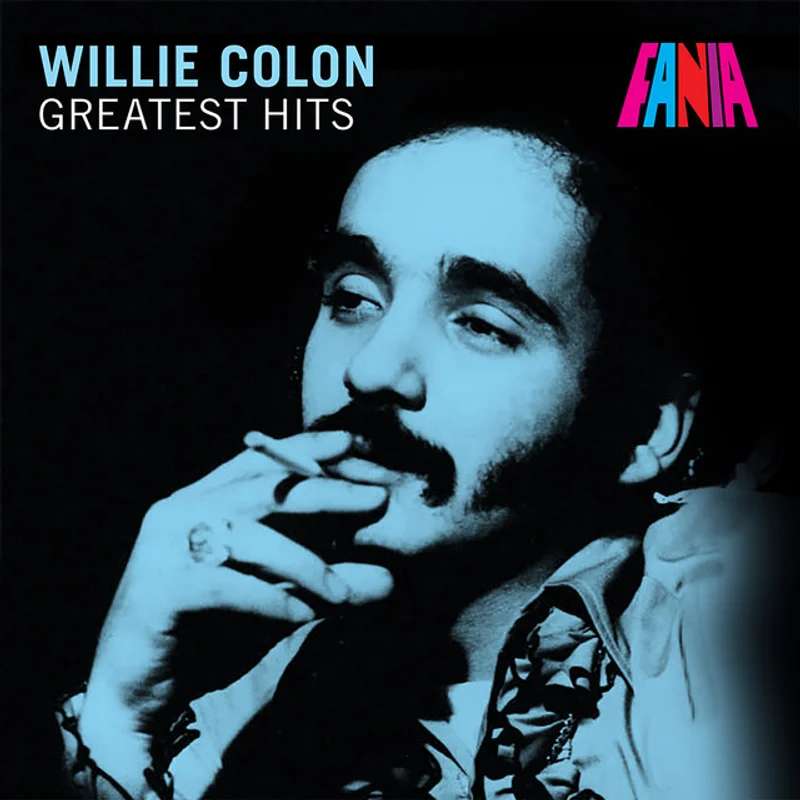
Willie Colón
Greatest Hits
A salsa philosopher's hymn to the unknowable force that moves through all of us.
Yo creo en muchas cosas que no he visto
Y ustedes también, lo sé
No se puede negar la existencia de algo palpado
Por más etéreo que sea
No hace falta exhibir una prueba de decencia
De aquello que es tan verdadero
El único gesto es creer o no
Algunas veces hasta creer llorando
Se trata de un tema incompleto porque le falta respuesta
Respuesta que alguno de ustedes, quizás, le pueda dar
Es un tema en tecnicolor para hacer algo útil del amor
Para todos nosotros, amén
Oh, qué será, qué será
Que anda suspirando por las alcobas
Que se oye susurrando en versos de trova
Que anda combinándonos preguntas locas
Que anda en las cabezas, anda en las bocas
Que anda ascendiendo por hartos huecos
Que están hablando alto en la bodega
Y grita en el mercado, ¿qué cosa es esa?
Es la naturaleza, será, que será
Que no tiene certeza y nunca te da
Que no tiene concepto y nunca tendrá
Que no tiene tamaño
Oh, qué será, qué será
Que vive en las ideas de esos amantes
Que cantan los poetas más delirantes
Y juran los profetas emborrachados
Está en la romería de los mutilados
Está en la fantasía de los infelices
Está en el día a día de las meretrices
Y todos los bandidos y desvalidos
En todos sus sentidos, será qué será
Que no tiene decencia y nunca tendrá
Que no tiene censura y nunca tendrá
Ni le falta sentido
Oh, qué será, qué será
Que ningún aviso podrá evitar
Que tampoco los presos puedan desafiar
Que todos los caminos tendrán que cruzar
Donde todos los signos van a consagrar
Y todos los niñitos investigar
Y todos los destinos van a encontrar
Y el mismo Padre eterno que nunca fue allá
Al hombre nuevamente lo bendecirá
Apagando al infierno su llama final
Porque no tiene caso volver a rodar
Por la falta de juicio
Oh, qué será
Oh, qué será
Oh, qué será
Que jura el profeta, canta el poeta
Y están gritando en la maqueta
Oh, qué será
Oh, qué será
Que me despierta por la noche
Y me hace temblar, me hace llorar
Oh, qué será
Son fantasmas, somos fantasmas
Siento la puerta tocar tres veces
Oh, quién será
Oh, qué será
Suspirando por las alcobas
Y susurrando versos de trova
¡Ponte a escuchar!
Oh, qué será
No tiene tamaño y es naturaleza
Anda en las bocas y en las cabezas
Oh, qué será
Todos los niñitos lo investigarán
Y ningún aviso lo podrá evitar
Oh, qué será
En toda campana repicará
Y el que está dormido despertará
Oh, qué será
Son fantasmas, somos fantasmas
Siento la puerta tocar tres veces
Oh, qué será
Yo creo en muchas cosas que no he visto
Y ustedes también, lo sé
No se puede negar la existencia de algo palpado
Por más etéreo que sea
No hace falta exhibir una prueba de decencia
De aquello que es tan verdadero
El único gesto es creer o no
Algunas veces hasta creer llorando
Se trata de un tema incompleto porque le falta respuesta
Respuesta que alguno de ustedes, quizás, le pueda dar
Es un tema en tecnicolor para hacer algo útil del amor
Para todos nosotros, amén
Oh, qué será, qué será
Que anda suspirando por las alcobas
Que se oye susurrando en versos de trova
Que anda combinándonos preguntas locas
Que anda en las cabezas, anda en las bocas
Que anda ascendiendo por hartos huecos
Que están hablando alto en la bodega
Y grita en el mercado, ¿qué cosa es esa?
Es la naturaleza, será, que será
Que no tiene certeza y nunca te da
Que no tiene concepto y nunca tendrá
Que no tiene tamaño
Oh, qué será, qué será
Que vive en las ideas de esos amantes
Que cantan los poetas más delirantes
Y juran los profetas emborrachados
Está en la romería de los mutilados
Está en la fantasía de los infelices
Está en el día a día de las meretrices
Y todos los bandidos y desvalidos
En todos sus sentidos, será qué será
Que no tiene decencia y nunca tendrá
Que no tiene censura y nunca tendrá
Ni le falta sentido
Oh, qué será, qué será
Que ningún aviso podrá evitar
Que tampoco los presos puedan desafiar
Que todos los caminos tendrán que cruzar
Donde todos los signos van a consagrar
Y todos los niñitos investigar
Y todos los destinos van a encontrar
Y el mismo Padre eterno que nunca fue allá
Al hombre nuevamente lo bendecirá
Apagando al infierno su llama final
Porque no tiene caso volver a rodar
Por la falta de juicio
Oh, qué será
Oh, qué será
Oh, qué será
Que jura el profeta, canta el poeta
Y están gritando en la maqueta
Oh, qué será
Oh, qué será
Que me despierta por la noche
Y me hace temblar, me hace llorar
Oh, qué será
Son fantasmas, somos fantasmas
Siento la puerta tocar tres veces
Oh, quién será
Oh, qué será
Suspirando por las alcobas
Y susurrando versos de trova
¡Ponte a escuchar!
Oh, qué será
No tiene tamaño y es naturaleza
Anda en las bocas y en las cabezas
Oh, qué será
Todos los niñitos lo investigarán
Y ningún aviso lo podrá evitar
Oh, qué será
En toda campana repicará
Y el que está dormido despertará
Oh, qué será
Son fantasmas, somos fantasmas
Siento la puerta tocar tres veces
Oh, qué será
“A salsa philosopher's hymn to the unknowable force that moves through all of us.”
Before Willie Colón became the "Bad Boy of Salsa," before the gold records and the sold-out Madison Square Garden shows, he was a kid from the South Bronx who understood that music could carry the weight of philosophy without ever losing its ability to make you dance.
"Oh Qué Será?" finds Colón at the height of his powers as both arranger and cultural translator, taking the Brazilian master Chico Buarque's existential masterpiece "O Que Será (À Flor da Pele)" — originally written as a veiled protest against Brazil's military dictatorship — and recasting it through the lens of New York Latin music.
The song first appeared during a period when Colón was actively expanding the borders of salsa, folding in elements of Brazilian MPB, jazz, and rock into the Fania Records framework that had defined the genre's golden age.
His spoken-word introduction, delivered with the gravitas of a street-corner preacher, signals immediately that this is no ordinary dance track.
Musically, the arrangement is a study in restrained power.
At 120 BPM in C major, the track occupies a middle ground between contemplation and movement — not the furious descarga of peak-era Fania, but something more hypnotic and circular.
The energy and valence both hover at a perfect equilibrium, reflecting the song's central tension between certainty and mystery.
Colón's trombone — that unmistakable, slightly rough-edged brass voice that defined an era — weaves through the arrangement like a question that never quite resolves.
The rhythm section locks into a groove that borrows from both son montuno and samba, creating a pan-Latin pulse that mirrors the song's journey from Buarque's Rio de Janeiro to Colón's South Bronx.
The congas and timbales maintain a conversational interplay, while the piano montuno shimmers underneath like heat rising off asphalt.
The lyrics represent one of the most philosophically ambitious texts in the salsa canon.
Colón opens with a spoken manifesto about faith in the unseen — "Yo creo en muchas cosas que no he visto" — before launching into Buarque's cascading litany of places where this unnamed force resides.
What is this "qué será"?
It lives in lovers' ideas, in the songs of delirious poets, in the oaths of drunken prophets, in the pilgrimage of the mutilated, in the fantasies of the unhappy, in the daily lives of sex workers.
The lyric is radically democratic in its spirituality: whatever this force is, it belongs equally to bandits and the dispossessed, to children and to the Eternal Father himself.
The emotional arc moves from intellectual inquiry through ecstatic cataloguing to something approaching mystical surrender, culminating in the haunting refrain about ghosts — "Son fantasmas, somos fantasmas" — and the image of a door knocked upon three times, an invocation that bridges Santería, Christianity, and pure poetic intuition.
When the track reached audiences, it resonated on multiple frequencies simultaneously.
For listeners aware of Buarque's original context, it carried the charge of political resistance — the unnamed force as democracy, as freedom, as the irrepressible human spirit pushing back against authoritarianism.
For the salsa faithful in New York, it was proof that their music could hold the same philosophical depth as any art form.
For casual listeners, it was simply a gorgeous, haunting melody that burrowed into the subconscious.
The song became a staple of Colón's live performances and earned its place on the "Greatest Hits" compilation not through chart dominance alone but through the kind of deep, enduring connection that transforms a song into a communal ritual.
Critics noted it as evidence of Colón's singular ability to bridge cultures without diluting any of them.
The legacy of "Oh Qué Será?" extends far beyond its placement on a greatest hits record.
It stands as a monument to the idea that popular dance music can be a vehicle for genuine philosophical inquiry — that the same body moving to a clave rhythm can simultaneously contemplate the nature of existence.
In an era when salsa was sometimes dismissed by cultural gatekeepers as mere entertainment, Colón's adaptation of Buarque's masterwork insisted on the genre's intellectual legitimacy.
The track remains a touchstone for Latin musicians seeking to expand the boundaries of what tropical music can express, and its central question — that eternal, unanswerable "qué será" — continues to reverberate through bedrooms, bodegas, and dance floors wherever the music is played.
It is, as Colón himself declares in his introduction, "a theme in technicolor, to make something useful of love." Decades later, we are still searching for the answer he invited us to find.